Skip to content
LusidianLusophone Africa → Dubai
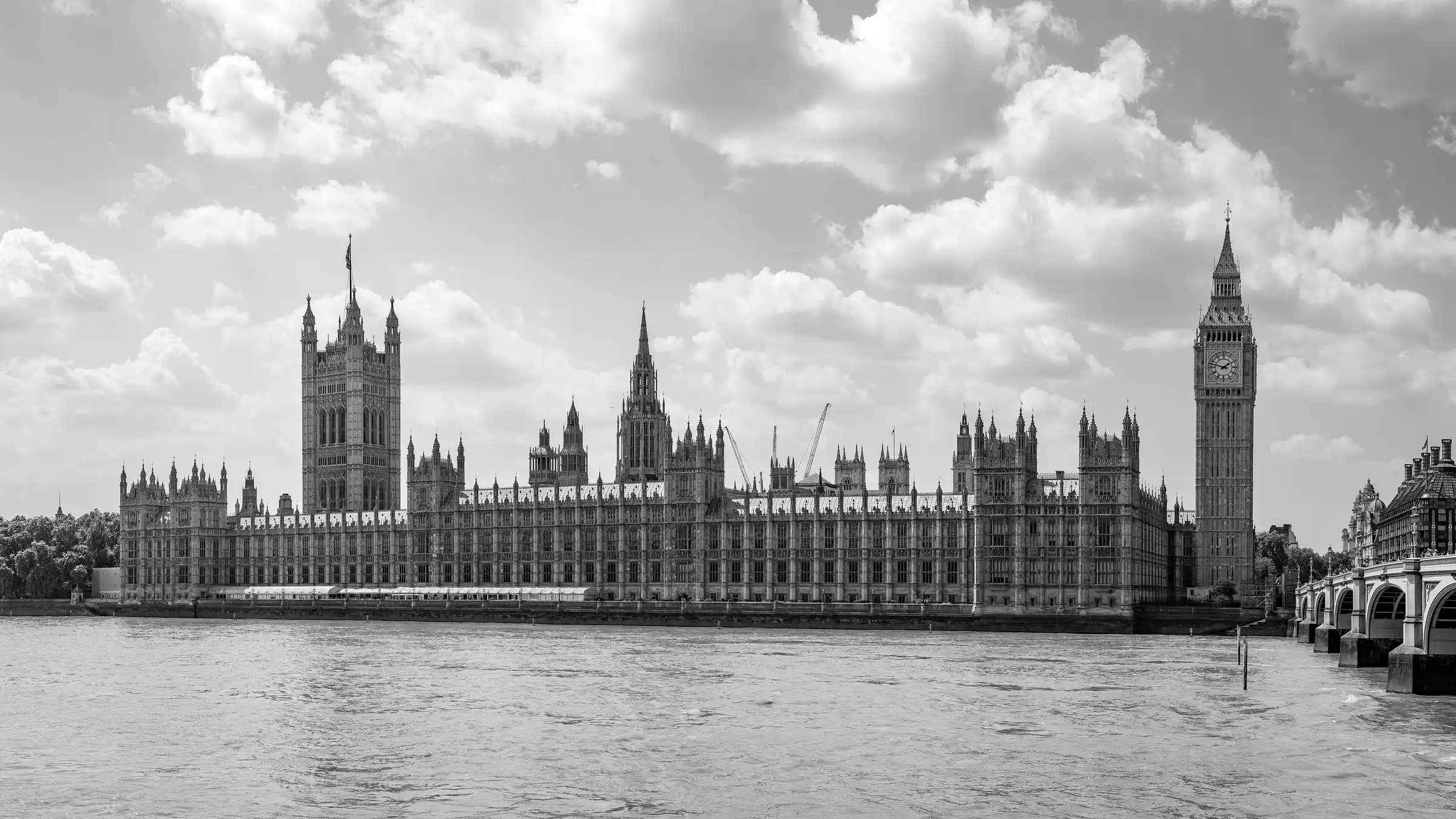
The Palace of Westminster and the Elizabeth Tower in London.

Dubai · UAE — for Angola, Mozambique and all of Lusophone Africa

Your company in Dubai, in your language, open to the world.

Licence, bank account, residency visa and Emirates ID for founders from Luanda, Maputo, Praia, Bissau and São Tomé — handled in Portuguese, with one point of contact.

Dubai · GMT+4
--:--
Luanda
--:--
Maputo
--:--
Praia
--:--

Two to five hours apart, depending on the country. We work your business hours.

London · United Kingdom

In your language

Dubai explained in Portuguese, from Luanda to Praia.

Licences, banking and visas are too technical to work through in second-hand English. Here everything happens in Portuguese — the first conversation, every document, every question from the bank — with people who know the route from Angola, Mozambique, Cape Verde, Guinea-Bissau and São Tomé and Príncipe.

  • Angola
  • Mozambique
  • Cape Verde
  • Guinea-Bissau
  • São Tomé and Príncipe

The UAE regime, in numbers

  • 0%corporate tax on qualifying income for free zone companies that meet the Qualifying Free Zone Person conditions.

    Federal Tax Authority

  • 100%foreign ownership across most economic activities, with no local partner and no Emirati agent required.

    Federal Decree-Law 26/2020

  • 9%is the headline UAE corporate tax rate on taxable profit above AED 375,000 per year.

    Federal Tax Authority

  • 3–10working days is the usual free zone licence issuance window once documents are complete. Visa and bank account follow.

    Prevailing free zone practice

Rules in force as of August 2026, per the Federal Tax Authority and the official UAE government portal. General information, not tax or legal advice.

Why us

Boutique, in Portuguese, on the ground.

There are hundreds of intermediaries selling Dubai licences. The difference shows after the sale — when the bank asks for a document nobody mentioned and you need someone to pick up.

  • Native Portuguese, not translation

    You discuss shareholding, visa quota and bank requirements in Portuguese, with advisors who speak your Brazilian accountant’s vocabulary. Nothing gets lost in brokered technical English.

  • We know the route from Luanda, Maputo and Praia

    UAE banks want a clear account of where funds come from and what the company does. We build that file with you before any account application, to avoid refusals and endless rounds of questions. Exchange-control and tax rules at home — in Angola, Mozambique, Cape Verde, Guinea-Bissau or São Tomé and Príncipe — should be confirmed with your local accountant: we do not give home-country tax advice.

  • One point of contact, always the same one

    No support queue, no different consultant with every message. You deal with the same person from the first consultation to the Emirates ID in your hand — and after that too.

  • On the ground in Dubai

    An office and real relationships in the UAE, not a reseller working from abroad. That changes response times at notaries, banks and immigration — exactly where files tend to stall.

  • Scope fixed before we start

    A written proposal setting out what is included, the stages, the timeline and what depends on whom. No surprises halfway through.

  • Support after the licence

    Renewals, activity changes, new visas, corporate tax and VAT registration. Incorporation is the start of the relationship, not the end of the contract.

Services

Three structures. One decision that shapes the rest.

For anyone trading between Africa, the Middle East and Asia, the choice between Mainland, Free Zone and Offshore decides where you can invoice, how many visas you can issue and — above all — how the bank sees your company. That is where we start.

01

Mainland

A company licensed by the emirate Department of Economy and Tourism, free to trade across the local UAE market and to contract directly with government entities.

For selling inside the UAE: trading, services with local clients, contracting, restaurants, clinics and operations growing a team on the ground.

Core advantage

No geographic restriction on where you trade, and a visa quota tied to the office space you hold — the structure that limits growth least.

02

Free Zone

A company incorporated inside a free zone, with its own tax treatment, a leaner incorporation route and packages that bundle an address and a visa quota.

For consulting, technology, international trade, holding structures, e-commerce and remote professionals invoicing outside the UAE.

Core advantage

Qualifying income at 0% corporate tax where the Qualifying Free Zone Person conditions are met, with remote incorporation in most zones.

03

Offshore

A UAE-registered company with no physical presence and no licence to trade in the local market — built to hold assets, shareholdings and property.

For wealth structuring, investment holding and holding title to Dubai real estate. It does not issue residency visas.

Core advantage

Fast to incorporate and light to maintain, with corporate confidentiality and no office requirement in the UAE.

04

Visas and residency

Residency visa issued through your own company, Emirates ID, medical test, biometrics and, where applicable, dependants for spouse and children.

For those actually moving to Dubai — opening a personal bank account, signing a lease and holding a residency base in the UAE.

Core advantage

The whole immigration route handled by people who have walked it with other families, including the appointments waiting for you on arrival.
Two time zones, one process

From where you operate today to where your company will trade.

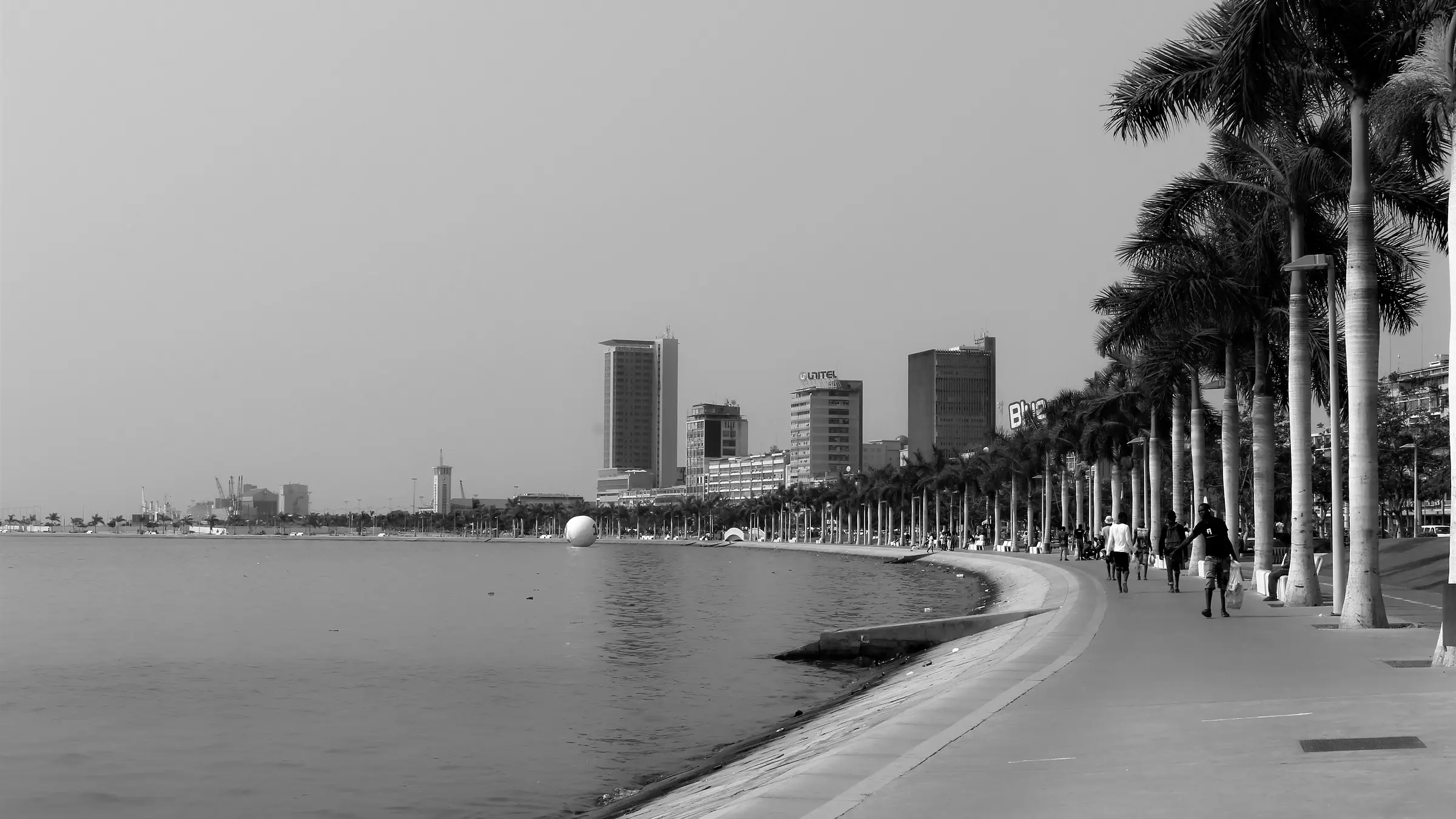
The bay and waterfront of Luanda.
Luanda · Angola
The Burj Khalifa and the Dubai skyline.
Dubai · United Arab Emirates

Process

From first conversation to a trading company.

Six stages, in the order they actually happen. You always know which one you are in and what is waiting on you.

  1. 01 · 40 minutes

    Initial consultation

    A conversation of roughly 40 minutes about your activity, where the revenue comes from, who joins the shareholding and whether you need a visa. No obligation.

  2. 02 · 1–3 working days

    Structuring

    A written recommendation of jurisdiction, zone and licensed activity and the visa quota the structure supports.

  3. 03 · 2–5 working days

    Documentation

    We gather passports, proofs and forms, handle translations and legalisations, and reserve the company name with the relevant authority.

  4. 04 · 3–10 working days

    Licence issuance

    Application submitted and the trade licence issued along with the company registration and memorandum of association.

  5. 05 · 2–6 weeks

    Bank account

    We prepare the compliance file, introduce you to the banks that fit your profile and stay with you through every round of questions until the account opens. It is the longest stage, and the one that depends most on the bank.

  6. 06 · 1–3 weeks

    Residency visa and Emirates ID

    Entry permit, status change, medical test, biometrics and Emirates ID issuance — yours and your dependants’, where applicable.

From first contact to a company with a licence, a bank account and a visa, the typical route runs 4 to 8 weeks. Activities needing additional regulatory approvals can add 2 to 4 weeks. You get the estimate for your own case in writing with the proposal.

Who we work with

Three profiles we work with every day.

Every case is different, but the questions people bring to Dubai tend to follow one of these three paths. If you recognise yourself in one, the first conversation starts ahead.

  • 01

    Asset manager

    The situation

    You manage portfolios or family wealth from Lisbon, São Paulo or Luanda and want a UAE base for your business, your holding company and your residency.

    How we help

    • Structure for the management or holding company, with the right licensed activity
    • Source-of-funds file prepared for the bank
    • Residency visa and Emirates ID for you and your family
  • 02

    Entrepreneur

    The situation

    You run an agency, a consultancy, an e-commerce or import business, invoice clients in several countries and want to operate from Dubai.

    How we help

    • Free Zone, Mainland or Offshore — chosen by where your clients are
    • Licence, corporate bank account and visas for you and your team
    • Support after the licence: renewals, new visas, corporate tax and VAT
  • 03

    Investor

    The situation

    You invest in property or company shareholdings and want stable UAE residency without depending on an employer.

    How we help

    • Golden Visa or Green Visa eligibility check before you commit to anything
    • Structure to hold property and shareholdings
    • Long-term residency with spouse and children included

FAQ

What African founders ask before they decide.

The questions that come up in almost every first conversation, answered plainly and with the rule in hand.

Why Dubai rather than another business hub?

Dubai combines 100% foreign ownership across most activities, a predictable tax regime, a dollar- and dirham-based banking system connected to the whole world, and direct flights to the main African, European and Asian capitals. For anyone buying in Asia and selling in Africa, it is often the natural place to centralise contracts, logistics and invoicing.

What is the difference between Mainland, Free Zone and Offshore?

Mainland is licensed to trade across the local UAE market, including public sector contracts. Free Zone is incorporated inside a free zone, with a leaner process, packages that include a visa quota and its own tax treatment — the natural choice when you invoice outside the UAE. Offshore has no physical presence and no local trading licence: it holds assets, shareholdings and property, and issues no residency visa. The right answer follows from where your clients are and what you need the company to do.

Can a foreign national own 100% of a UAE company?

Yes. Federal Decree-Law No. 26 of 2020, which amended the UAE commercial companies law, removed the requirement for a majority Emirati shareholder or a local agent across most economic activities — including on the mainland, where the 51% rule previously applied. Free zone companies already allowed full foreign ownership. A narrow set of activities with strategic impact still requires approval from the sector regulator for full foreign ownership; we check your activity before recommending a structure.

Do I need a UAE bank account? Is it hard to open?

You do, if the company is actually going to receive and pay. It is not hard when the file arrives organised: banks want to understand the source of funds, who your clients are, where revenue comes from and what substance the operation has. The usual window is 2 to 6 weeks, and it is the stage that depends most on third parties. We prepare that documentation before introducing you to the bank that best fits your profile, and stay with you through every compliance question until the account opens.

How does the residency visa work? And the family?

The usual route is a visa sponsored by your own company, typically valid for 2 years and renewable: once the entry permit is issued you complete the status change, medical test and biometrics, and receive the Emirates ID — the document that unlocks a personal bank account, a lease, health insurance and school enrolment. Spouse and children follow as dependants once your own visa is issued. There are also long-term routes: the 5-year Green visa for investors holding a share from AED 1 million, and the Golden visa of 5 or 10 years, which includes property investors from AED 2 million (5 years, renewable). How many visas your company can issue depends on the structure and the space it holds.

Can I set the company up without travelling to the UAE?

In most free zones, yes: incorporation is done remotely with digital documents and either remote signing or a power of attorney. Travel becomes necessary when you want the residency visa, because the medical test, biometrics and Emirates ID issuance are in person, and when your chosen bank requires an interview with the signatory. We sequence the process so all of it fits into a single trip to Dubai.

How long does it take?

With complete documents and no additional requirements, a free zone licence usually issues in 3 to 10 working days — some zones offer express routes that issue in a single working day. Mainland structures that depend on third-party approvals take longer. After the licence come the residency visa (1 to 3 weeks) and the bank account (2 to 6 weeks), which run in parallel. In practice, from first contact to a company trading with an account and a visa, the typical route is 4 to 8 weeks; activities needing sector approvals can add 2 to 4 weeks.

Does a UAE company pay tax? And individuals?

The company pays corporate tax at a headline 9% on taxable profit above AED 375,000 per year. Free zone companies meeting the Qualifying Free Zone Person conditions pay 0% on qualifying income — but note a detail few people explain: a QFZP does not get the AED 375,000 nil-rate band, and anything that is not qualifying income is taxed at 9% from the first dirham. There is also Small Business Relief for revenue up to AED 3 million, available for tax periods ending on or before 31 December 2026 and not available to a QFZP. VAT registration becomes mandatory above AED 375,000 of taxable turnover. Individuals pay no income tax on salaries in the UAE.

General information, not tax advice. Rules in force as of August 2026 — confirm your own position with a UAE tax adviser.

Contact

Start with a conversation. No obligation.

Tell us in two lines what you do and what you want to build in the UAE. We reply with the most likely structure for your case and the next steps.

WhatsApp

The fastest route. Answered in Portuguese or English, in Luanda, Maputo, Praia and Dubai business hours.

Message us on WhatsApp
Office
Dubai Silicon Oasis, Dubai

or send a message